Laos Proposes Revised Road Traffic Law to Strengthen Transport Management
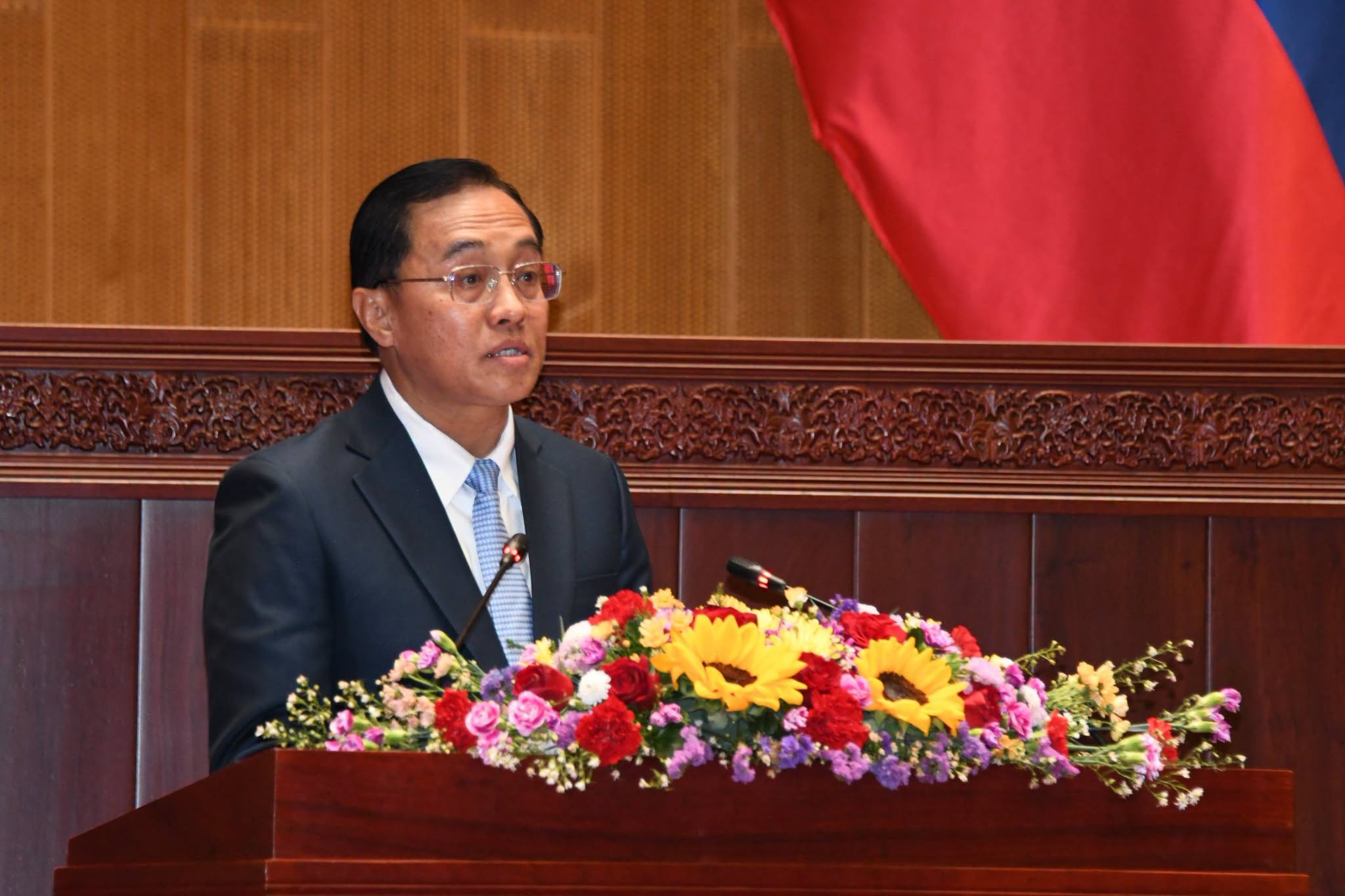
Mr. Lekhai Sivilay, Minister of Public Works and Transport, presented the case for revising the Law on Road Traffic to the second ordinary session of the 10th National Assembly on October 16. Vice Chairman Vilaivong Bouddakham chaired the session.
The minister said the revision is needed to give authorities a stronger legal foundation for managing road traffic efficiently and effectively. Based on experience so far, he identified three main problems.
Problems in current management
- Legal tools: The existing laws and their implementing regulations are incomplete. Some provisions are inaccurate or no longer match the country's economic and social development, particularly given how fast road traffic is growing.
- Central data: There is still no unified central database, which makes it difficult to collect statistics and monitor traffic conditions.
- Division of responsibilities: Coordination and the division of duties between central and local authorities overlap in places and are not as effective as they should be.
Structure of the draft
The original 2000 law had 9 chapters and 40 articles. The version currently in force, amended in 2012, has 12 parts, 11 chapters and 89 articles. The new draft keeps the same 12 parts and 11 chapters but expands to 100 articles, of which 31 are new and 69 are revisions of existing provisions.
Expected benefits
The draft is expected to be a key instrument for implementing the National Road Safety Strategy for 2021–2030, while remaining consistent with related laws and regulations. The proposed benefits include:
- Making traffic more convenient, smooth, safe and orderly, and encouraging drivers and road users to follow the rules.
- Giving enforcement officers a clearer legal basis for their work.
- Reducing accidents and congestion, protecting lives and public and private property, and resolving traffic-related disputes more effectively.
- Strengthening regional and international connections and supporting the country's gradual move toward rule of law.
- Attracting more technical cooperation, foreign assistance and support from international organizations and development partners.
- Creating a more consistent approach to central and local management nationwide.
- Supporting job creation and gradually improving living standards, while building confidence among domestic and foreign businesses and investors in the road transport sector.